



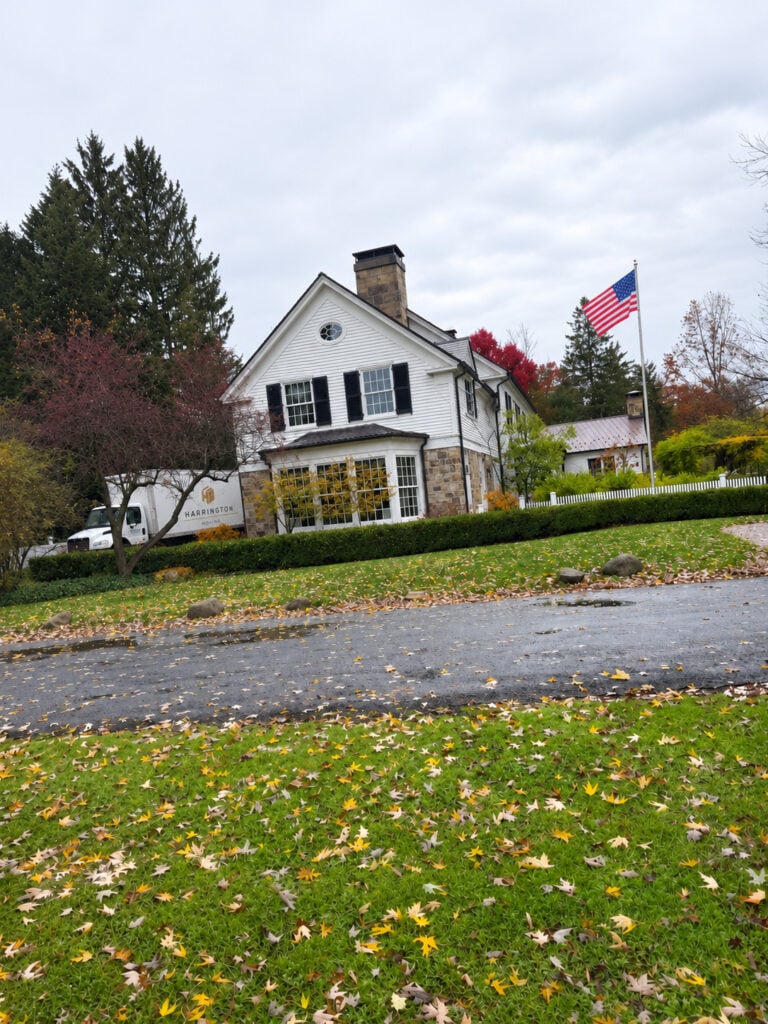
On a recent large move from Gates Mills to Shaker Heights, our customers still had some packing to finish and decisions to make about which furniture would come with them.
They also had something that made a big difference: access to their old house until the end of the month.
Not everyone has that flexibility. But in their situation, it gave us an opportunity to adjust the plan, keep the move productive, and avoid spending their money moving items they might ultimately decide they didn’t want.
Start with what makes the new house livable
Our first priority was getting the belongings they knew they needed into the new house: their bed, clothes, kitchen essentials, and other items that would let them spend the night and start living there.
We loaded those belongings onto a truck and took them to Shaker Heights to unload.
That gave the customers a practical starting point. They could begin settling into their new home without needing to decide the future of every item in the old one.
Make the remaining decisions easier
At the Gates Mills house, we knew everything would eventually need to come out, even if some belongings would ultimately be sold or donated.
We brought items up from the basement and down from upstairs, gathering them in one area. Having everything together made it easier for the customers to see what remained and decide which additional pieces they wanted us to move.
We loaded the items they were sure about and left the undecided belongings at the old house for the time being.
Once they have the new house set up, they’ll have a better sense of what they need, what fits, and what they have room for.
Fewer uncertain items means a smoother delivery
One thing that can slow down unloading is bringing furniture into a house before anyone knows whether it belongs there.
An item comes off the truck, but there’s no clear destination. It may get moved several times, or the customer may realize they would rather have donated or sold it.
Sometimes a spare room becomes the holding area for everything that’s undecided. That room quickly fills up, making it harder to unpack and adding stress to the move-in process.
By leaving those decisions for later, these customers gave themselves more room to settle in and kept delivery moving smoothly.
Use the flexibility you have
This approach worked because the customers had time remaining at their old house. With a firm closing or move-out deadline, we would have needed a different plan.
For this move, we finished in less time than estimated, which saved them money on the day. They also kept the option of having us return for additional belongings once they know what they want.
A return trip would have its own cost, so splitting a move isn’t automatically the cheapest option overall. Here, it gave the customers breathing room and helped them avoid filling their new home with belongings they weren’t ready to place.
If you’re planning a local move and still working through those decisions, tell us about your timeline. We can help you build a moving plan around what needs to happen first.